
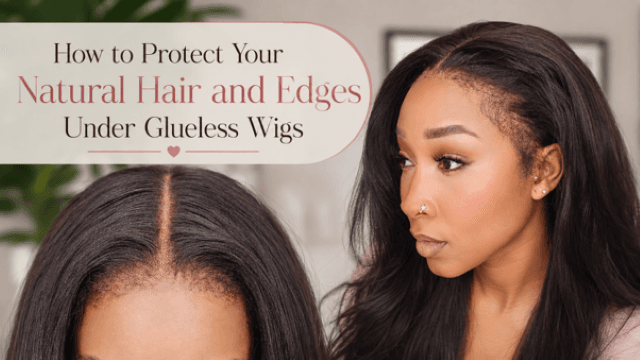
Wearing a wig should be a way to protect your natural hair, not create new problems.
For many women, wigs provide freedom. They make it possible to change hairstyles, protect natural strands from daily manipulation, and experiment with different looks without constantly applying heat or chemicals.
However, there is one common misconception about wig wearing: simply putting on a wig automatically protects your hair.
The truth is that protection depends on how the wig is installed, how your natural hair is prepared underneath, and how carefully the scalp and edges are maintained.
This is especially important for women who wear wigs frequently. The edges and hairline are delicate areas, and repeated tension, poor preparation, or improper removal can create unnecessary stress.
The good news is that with the right habits, wearing a wig can actually become a healthy part of a natural hair routine.
Why Your Natural Hair Needs Protection Under a Wig
Your natural hair continues to experience daily stress even when it is covered.
Sweat, friction, dryness, tension, and product buildup can all affect hair health.
The purpose of wearing a wig should be to reduce these challenges, not replace them with new ones.
A protective wig routine should focus on three areas:
- Keeping the scalp healthy
- Reducing tension on the hairline
- Maintaining moisture in natural hair
When these areas are managed correctly, wigs can offer styling flexibility while allowing your natural hair to remain protected underneath.
Prepare Your Natural Hair Before Installing a Wig
The foundation of a comfortable wig starts with the hair underneath.
Many installation problems happen because the natural hair is not properly prepared before the wig is placed.
The goal is to create a flat, comfortable base without putting unnecessary pressure on your strands.
For longer natural hair, many wearers choose low-tension preparation methods such as:
- Loose braiding
- Flat twists
- A gentle low bun
The key is avoiding styles that pull tightly around the edges.
Your natural hair should feel secure, not stretched.
Protecting Your Edges Should Be the Priority
The edges are often the most fragile part of the hairline.
They are made of finer strands and can be more sensitive to repeated tension.
One of the biggest mistakes wig wearers make is pulling the wig too tightly around the front.
A secure wig does not need to feel painful.
If the installation creates pressure, headaches, or discomfort around the hairline, it may be a sign that the fit needs adjustment.
To protect your edges:
- Avoid excessive tension
- Do not glue directly onto fragile baby hairs
- Allow your hairline time to rest
- Avoid repeatedly pulling the same areas during styling
Healthy edges come from consistency, not aggressive installation.
Why Glueless Wigs Are Becoming Popular for Protective Styling
Many women are choosing glueless options because they offer more flexibility than traditional adhesive-based installations.
Traditional glued installations can create a strong hold, but they may also require more attention during removal. Incorrect removal can put unnecessary stress on the hairline.
Glueless options allow wearers to:
- Remove the wig more easily
- Clean the scalp regularly
- Reduce adhesive buildup
- Change hairstyles more frequently
- Give the edges more recovery time
This is one reason many beginners and experienced wig users prefer glueless wigs as part of their regular styling routine.
The biggest advantage is not only convenience. It is control.
When you can easily remove your wig, you can better maintain the health of your natural hair underneath.
Choose the Right Wig Construction
Not every wig is equally protective.
The construction of the wig affects comfort, security, and how much stress is placed on your natural hair.
Important features to consider include:
- Cap size
- Adjustable straps
- Elastic bands
- Lace type
- Weight of the hair
- Overall fit
A wig that is too tight can create unnecessary friction and tension. A wig that is too loose may require constant adjustment, which can also create stress.
The best fit should feel secure but comfortable.
How Lace and Hairline Design Affect Edge Protection
The front of the wig is where appearance and hair health meet.
A realistic lace hairline should blend naturally without requiring excessive pulling or aggressive styling.
Many modern wig designs focus on softer lace, pre-plucked hairlines, and more beginner-friendly construction because these features reduce the amount of customization needed.
When a wig already has a natural-looking hairline, wearers do not need to constantly manipulate the front area to create a realistic effect.
Less manipulation often means less stress on the edges.
Scalp Care Should Not Be Ignored
A common mistake among frequent wig wearers is focusing only on the wig and forgetting the scalp underneath.
Your scalp still needs regular care.
Even under a wig, your scalp produces:
- Natural oils
- Sweat
- Dead skin buildup
If these are not managed properly, the scalp may become uncomfortable.
A healthy routine includes:
- Regular cleansing
- Allowing the scalp to breathe
- Avoiding excessive product buildup
- Keeping the scalp moisturized when needed
A protective style only works when the foundation underneath remains healthy.
Do Not Wear a Wig Without Breaks
Even though modern wigs are comfortable, your natural hair benefits from occasional breaks.
Continuous tension and long-term coverage without proper care may make maintenance more difficult.
Giving your natural hair time without a wig allows you to:
- Clean your scalp thoroughly
- Moisturize your strands
- Check the condition of your edges
- Adjust your routine if needed
The frequency of breaks depends on your lifestyle and installation method, but listening to your scalp is always important.
Removing a Wig Correctly Is Just as Important as Installing It
Many people focus heavily on installation but underestimate removal.
However, improper removal is one of the easiest ways to damage natural hair.
Avoid rushing.
Do not pull the wig away from your hairline.
Do not force areas that feel attached.
If adhesive is used, allow enough time for proper removal products to work.
Gentle removal protects both the wig and your natural hair.
A careful removal routine can extend the life of your wig while reducing unnecessary stress on your edges.
Styling Habits Matter Underneath the Wig
Protective styling does not mean ignoring your natural hair completely.
The hair underneath still needs attention.
Avoid keeping your natural hair completely dry for long periods. Maintain a moisture routine that works for your hair type.
Also avoid constantly changing the preparation style underneath the wig. Repeated tight braiding in the same areas can create unnecessary tension.
A healthy wig routine should support your natural hair, not hide problems.
Choosing Beginner-Friendly Wig Options
For many beginners, the biggest challenge is finding a wig that looks natural without requiring complicated installation skills.
A well-designed wig should reduce the amount of manipulation needed.
Features that help beginners include:
- Natural lace construction
- Comfortable cap design
- Adjustable fit
- Lightweight materials
- A realistic hairline
Brands such as WowAngel have focused on making wig designs more accessible for everyday wear by combining natural-looking construction with easier installation features.
The important factor is not simply choosing a brand. It is choosing a wig design that fits your lifestyle and supports healthy wearing habits.
Common Mistakes That Damage Natural Hair Under Wigs
Many wig-related hair problems come from small habits repeated over time.
Common mistakes include:
- Installing too tightly
- Sleeping in wigs without protection
- Ignoring scalp cleansing
- Using excessive adhesive
- Removing the wig too quickly
- Neglecting moisture care
- Wearing the same preparation style constantly
The solution is usually not giving up wigs. It is improving the routine.
Final Thoughts
Wigs can be an excellent protective styling option when they are used correctly.
The healthiest wig routine focuses on balance:
- A comfortable fit
- Gentle installation
- Proper scalp care
- Edge protection
- Regular maintenance
Choosing easier-to-manage options such as glueless wigs can give wearers more control over their styling routine while reducing unnecessary stress on natural hair.
A wig should help you feel confident while allowing your natural hair to stay healthy underneath.
The best protective style is one that protects both your appearance and your hair.



Comments
No comments yet. Be the first to share your thoughts.