
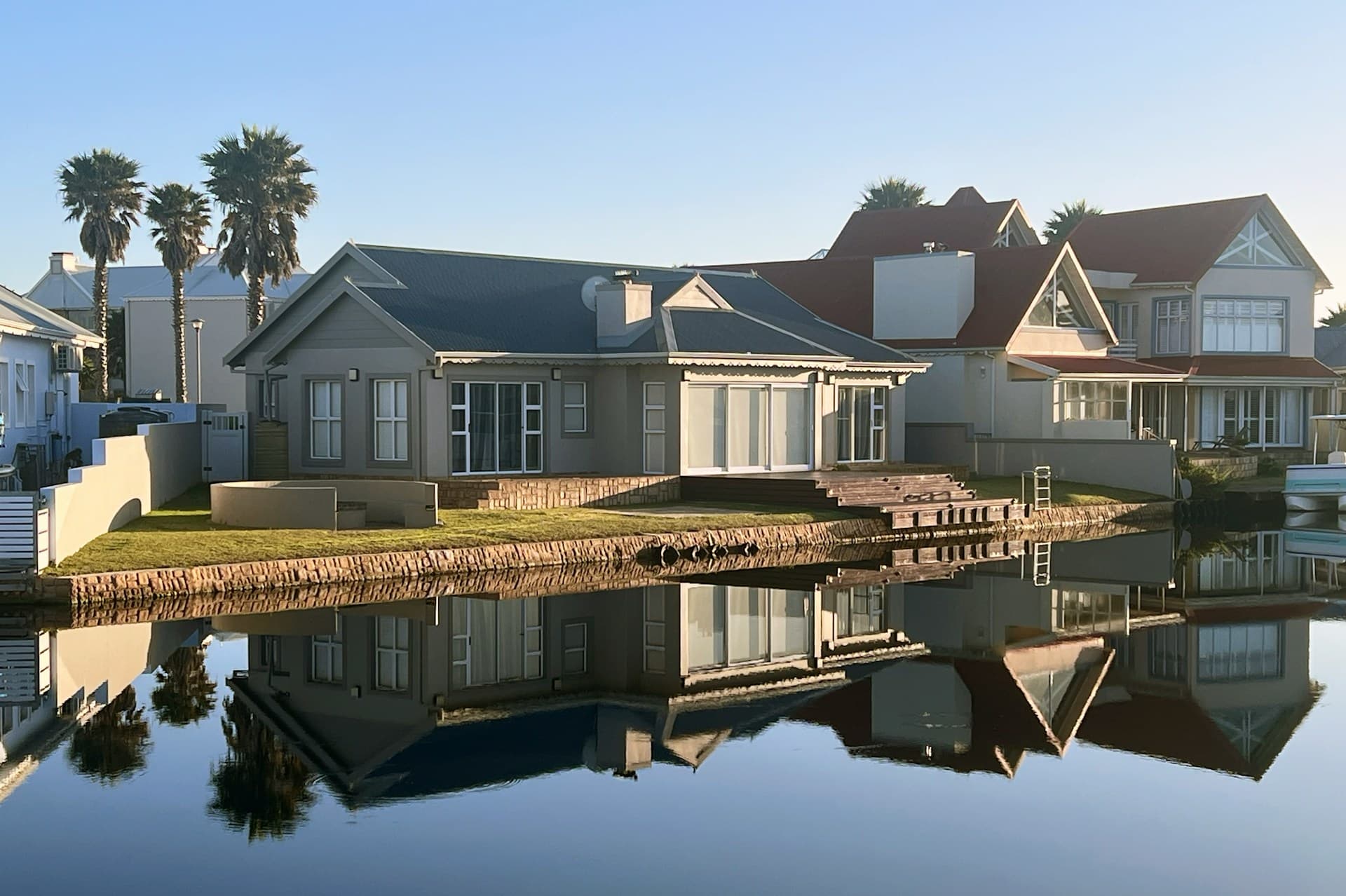
Walking into a century-old house, most owners are drawn to the intricate crown molding, solid wood floors, and timeworn charm that modern builds rarely match. Yet behind those plaster walls, outdated galvanized steel water pipes often lurk—corroded, leaking, and far past their intended lifespan. While the need for Residential Plumbing Repair is clear when leaks or rusty water appear, many homeowners hesitate at the prospect of replacing these old pipes. Their fears stem not just from the inconvenience, but from concerns about damaging the home’s historical features, unforeseen expenses, and the compatibility of modern plumbing with heritage architecture. Understanding these anxieties can help homeowners and tradespeople make informed, respectful choices about galvanized steel replacement in historic homes.
Preserving Original Architecture During Pipe Upgrades
The main fear for many historic homeowners stems from the potential loss of original architectural details during a plumbing overhaul. Removing sections of wall to access galvanized steel pipes often means disturbing lath-and-plaster finishes, decorative woodwork, or hand-crafted tilework that cannot be easily replicated. For example, routing new piping behind ornate wainscoting or through a plaster archway can permanently damage these unique elements. Homeowners may even require specialized craftsmen to restore exposed surfaces after repairs, adding both complexity and cost to the project. Protecting these irreplaceable features is a primary concern that shapes every aspect of a galvanized steel replacement Residential Plumbing Repair.
Professionals need to carefully assess the best approach to minimize intervention and preserve the home’s character. Techniques such as using existing chases or closets for pipe runs, or selectively removing small wall sections, are often preferred. A review of historic home preservation methods for plumbing upgrades can help outline options that respect both modern safety and traditional aesthetics.
Hidden Costs of Old House Repiping Projects
Financial uncertainty is another major worry for owners of older homes facing galvanized steel replacement. Unlike newer properties, historic houses often conceal multiple layers of construction—old framing, unexpected obstacles, or previous DIY repairs—that can complicate even straightforward projects. What starts as a simple leak fix can quickly evolve into a major overhaul if rotting wood, hidden mold, or asbestos insulation is discovered while exposing pipes. These surprises can drive up the total bill well beyond initial estimates.
When scheduling a Residential Plumbing Repair, it’s not uncommon for owners to request detailed walkthroughs and contingency quotes to prepare for these unknowns. This kind of service becomes a critical part of the process, allowing homeowners to weigh the risks and set realistic budgets for the work ahead. Even with careful planning, the prospect of escalating expenses remains a significant source of anxiety for those committed to preserving an old home.
Structural Damage Risks In Vintage Plumbing Swaps
Replacing galvanized steel pipes in homes built before the 1940s often means working with fragile, outdated construction techniques. Original framing can be brittle or undersized, and plaster walls are prone to cracking when disturbed. In worst-case scenarios, cutting into structural elements to access pipes can undermine the integrity of the building itself. For example, a misplaced cut in a load-bearing wall or floor joist can cause lasting damage that is costly and complex to repair.
To address these risks, many contractors consult detailed blueprints or use non-invasive imaging to locate pipes before starting work. This helps minimize the chances of accidental structural compromise. Guidelines for safely replacing plumbing in historic homes emphasize the need for careful planning, proper support, and, when necessary, collaboration with structural engineers to ensure both safety and preservation.
Navigating Modern Materials In Heritage Properties
Introducing contemporary materials—such as PEX tubing or copper—in place of galvanized steel brings its own set of challenges. While modern pipes offer greater longevity and performance, their installation methods and appearance can clash with the original character of a historic property. Homeowners often worry that visible sections of new piping will detract from period authenticity, or that certain materials may react with old metals, causing further plumbing issues down the line.
Successful upgrades balance technical improvements with respect for heritage. In some cases, new pipes are hidden behind existing features or painted to blend in, while connections to old fixtures require specialized fittings to avoid leaks or corrosion. Consulting both building codes and local preservation guidelines is key, as some jurisdictions have rules about which materials are acceptable in historic renovations. Thoughtful planning ensures that galvanized steel replacement Residential Plumbing Repair enhances functionality without erasing the home’s unique story.
Conclusion
Before moving forward with any major plumbing repair in a historic home, request a detailed project plan that addresses preservation, cost, and compatibility with existing architecture. A clear proposal can help you protect your home’s value and character while ensuring a safe, modern plumbing system for years to come.



Comments
No comments yet. Be the first to share your thoughts.