

The Independent Electoral and Boundaries Commission (IEBC) is set to take action against politicians linked to political violence ahead of Kenya’s 2027 General Election.
Proposed reforms on the politicians’ track record and a call to action to the IEBC come after the National Police Service announced plans to recommend individuals it considers unfit to contest elective positions.
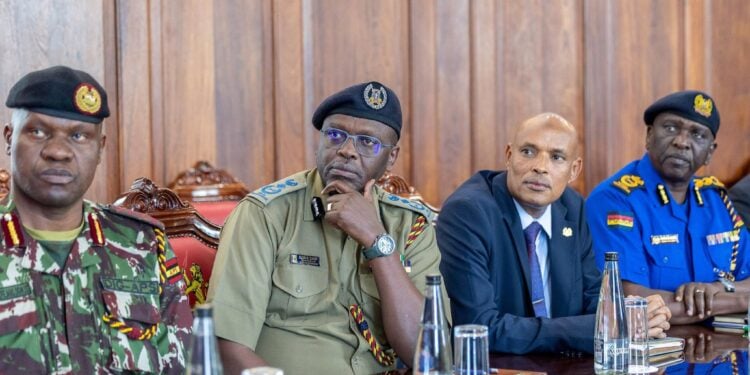
Speaking on August 25, Deputy Inspector General of Police Gilbert Masengeli said security agencies would investigate politically instigated violence, make arrests, and take preventive measures as the country approaches the August 10, 2027 polls.
Masengeli noted that the police would recommend to the IEBC individuals whose track records show that they have promoted or perpetrated political violence in Kenya.
“We will recommend to the IEBC those individuals who are not fit to run for office based on their track record of promoting or perpetrating violence in Kenya,” Gilbert Masengeli stated.
The announcement places the conduct of politicians and political actors under increased scrutiny more than a year before the next General Election.
Masengeli also warned that the police would pursue individuals involved in organizing or sponsoring violent groups and goons in the country.
IEBC to Take Disciplinary Action
The warning comes as the IEBC prepares for the 2027 elections and implements measures to promote compliance with electoral laws and the Electoral Code of Conduct.
IEBC Chairperson Erastus Ethekon has separately said the commission could take action against politicians linked to violence.
Ethekon argued that the commission could impose penalties and, in serious cases, disqualify politicians from contesting.
Masengeli urged politicians and members of the public to understand the constitutional protections surrounding political and civil rights.
He cautioned, however, that those freedoms cannot be exercised in ways that threaten national security or the common good.
“There are some limits when it comes to threats to national security. There are some limits when it comes to threats to the common good of the public,” Masengeli noted.
How Politicians’ Eligibility Is Verified Before Elections
The Independent Electoral and Boundaries Commission verifies candidates’ eligibility before clearing them to contest elections in coordination with the Ethics and Anti-Corruption Commission (EACC), National Police Service, Office of the Director of Public Prosecutions (ODPP) and Office of the Registrar of Political Parties.
During the verification process, the commission covers constitutional and statutory requirements, including academic qualifications, integrity, citizenship, and criminal or legal issues.
Previously, the commission has used information from State agencies to compile candidate integrity-verification reports.
According to the election commission, candidates can also face disqualification for violating Chapter 6 of the Constitution, although legal safeguards and appeal processes apply.
NCIC on Politicians Linked to Political Violence
The National Cohesion and Integration Commission (NCIC) has also issued a warning against politicians and other individuals whose conduct could fuel hate speech, ethnic incitement and political violence ahead of the 2027 General Election.
In addition, the commission has supported a multi-agency approach involving the IEBC and security agencies to monitor inflammatory political activity and take action against individuals found violating the law.
NCIC has previously raised concerns over the use of organized groups or goons to disrupt political gatherings and intimidate opponents, threatening national cohesion and peaceful elections.
Follow our WhatsApp Channel and X Account for real-time news updates.

Comments
No comments yet. Be the first to share your thoughts.