
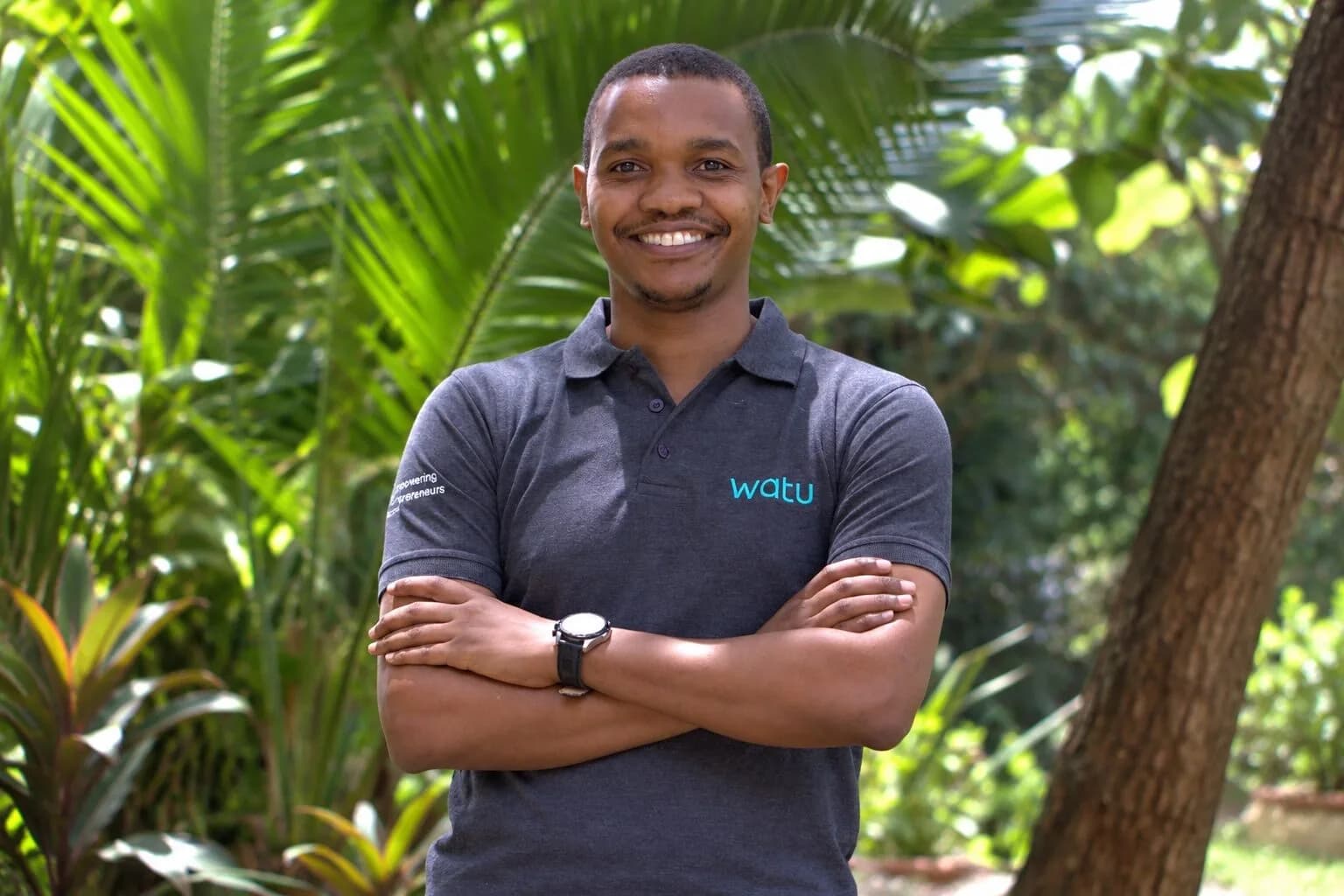
By Godlisten Shayo
Kenya has largely won the argument on financial access. Our story is told globally on how M-PESA revolutionized banking. The 2024 FinAccess survey puts formal financial inclusion at 84.8 per cent of adults. But the same survey found that only 18.3 per cent of Kenyans are financially healthy while complete loan defaults have risen to 16.6 per cent of borrowers, up from 10.7 per cent in 2021.
Read together, those figures describe a real problem. Getting people into the formal financial system was the first mile. Keeping them there through the shocks that define informal work is the extra mile, which calls for innovative thinking about how we design our customer relationships at this level.
MIT’s Tavneet Suri and William Jack reported in research published in Science that M-PESA lifted 194,000 Kenyan households out of poverty. The impact was achieve from the much higher velocity of cash flowing through digital rails and reaching faster when help was needed.
Queen Máxima of the Netherlands, in her role as the UN Secretary-General’s Special Advocate for Financial Health, has argued that “access to financial services is only the first step” and that “simply opening the doors to financial services is not enough”. Maxima has further argued that services “should go beyond payments, to enable more access to products such as savings, credit, and insurance”.
I submit that this can only be attained through designing financial health tools native to the cash flows, trust networks, and life rhythms of the people Suri and Jack proved were already capable of improving their wellbeing.
The enterprising customer who was previously unbanked has got be defined differently and financial services innovated to fit that customer. That is the lens I bring to asset finance for boda boda riders and small traders. A motorcycle or smartphone financed on daily instalments is a working asset, and the repayment only exists if the asset keeps earning. When a rider’s engine seizes or his child falls ill, we regard it as an operational problem to be solved rather than a missed payment or credit event.
The second choice is harder and costs more, which is exactly why it matters. At Watu, our engagement teams handle about 2.5 million calls and 2.2 million chats a year. Automation resolves much of that volume. Roughly half of chat queries close without a human, and we intend to improve that score. But the most consequential conversation is walking a first-time borrower through the total cost of what they have signed and what happens if they fall behind. Another is the call to a rider who has stopped paying, where the first task is always diagnosis and not collection.
What we hear shapes what we offer. A breakdown calls for shared repair costs, and a service point the phone customer can reach without paying for transport. The repair cost sharing is set at 70% for us and 30% for the customer. A slow month may call for a restructured schedule, or a conversation about a new business appraoch.
None of this is charity. It is portfolio logic. A customer who stays productive is a customer who repays, and one who repays builds the record that unlocks the next product. The Waswahili say haba na haba hujaza kibaba (little by little fills the measure). Micropayments work the same way, provided the first shock does not break the chain.
There is a second-order effect that deserves more attention from policymakers. The customers we finance are themselves the last mile of Kenya’s digital economy. The National Transport and Safety Authority counts more than two million licensed boda boda riders. They carry the parcel that completes the online order, the medicine to the village pharmacy, the stock to the kiosk. The trader on a financed smartphone takes orders on WhatsApp and settles them on M-Pesa. Every rider we keep on the road extends someone else’s reach.
Keeping one entrepreneur productive supports a fulfilment network that reaches far beyond a single loan book.
Only a specially designed engagement turns that scale into resilience. The measure of inclusion has moved from who got in to who is growing a year or two down the line.
Godlisten Shayo is Head of Customer Engagement at Watu Credit.



Comments
No comments yet. Be the first to share your thoughts.