
As Kenya approaches the 2027 General Election, organizations are shifting from traditional platforms to trusted community spaces to integrate civic learning, strategic organizing, and women’s political story into everyday conversations.
Civic education educators say a conversation about water, security, roads or a local leader in a salon, barbershop or chama can be more than everyday talk. It can help people understand their rights, question leadership and make informed decisions about the future of their communities.
“Civic education does not always have to begin in a formal meeting or a political rally. It can start with a conversation in a salon or barbershop or a chama,” says Bina Maseno, Executive Director at a women’s rights organization, Badili Africa.
“We can transform these (unofficial) spaces into powerful civic classrooms by turning those conversations into knowledge, confidence and meaningful participation in public life,” she adds.
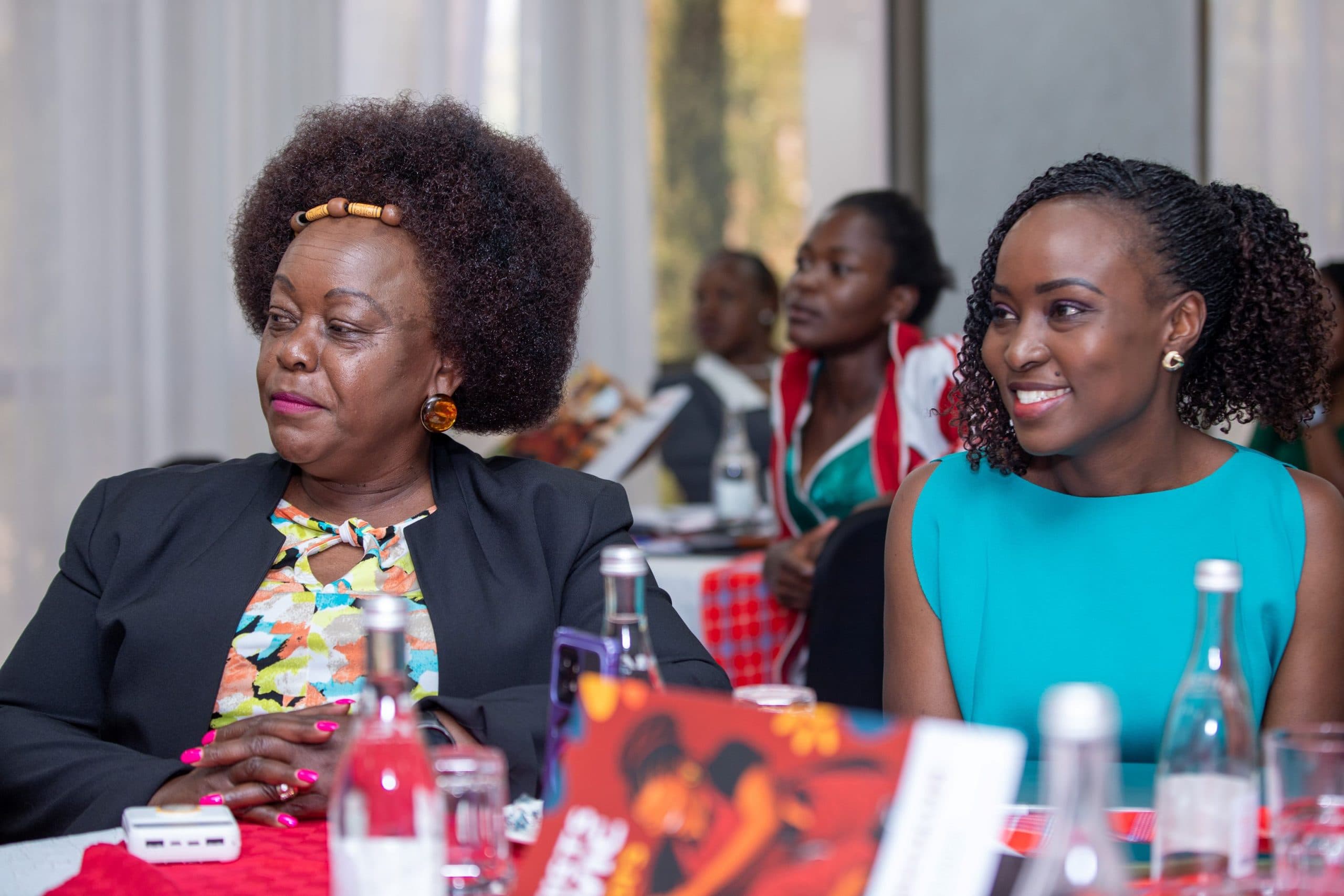
Ms. Maseno was speaking at a recent convening hosted by Badili Africa and the Embassy of Switzerland, where women leaders, political aspirants, grassroots mobilizers and civic practitioners discussed how women’s collective power can translate into meaningful political participation and leadership.
To her, Chamas are Kenya’s most powerful grassroots institutions. From simple merry-go-rounds to formal investment clubs, she says, they represent a unique approach to savings, investment, and community with an estimated one in three Kenyans said to belong to one. She is on the driving seat of Badili Africa, an outfit that currently works with at least 600 chama groups reaching over 10,000 women in the country.
According to Maseno, Transformative Gossip seeks to encourage conversations about civic participation, leadership, rights and accountability by connecting everyday experiences to public decisions, while supporting women to turn shared concerns into informed participation, collective action and sustained influence.
While the term ‘gossip’ is often used to dismiss informal conversation as idle talk, Transformative Gossip takes a different view, that when grounded in reliable information and facilitated responsibly, everyday conversations can help people make sense of public issues, compare experiences and identify concerns that require a collective response.
In Kenya, women gather in chamas, visit salons, organize in neighbourhoods and build networks around the issues that shape their daily lives. Not just for social interaction, people also exchange information, interpret public events, discuss shared concerns and build relationships that can support collective action.
Much like aflare of change, the influence women exercise in these everyday spaces does not automatically translate into political representation or decision-making power. However, the results of such “Transformative Gossip” initiatives truly offer people a space to voice their political wishes.
As Kenya approaches the 2027 General Election, the initiative strengthens the case for taking civic education beyond formal meetings, political rallies and government offices and bringing it closer to where people already meet, talk and organize.
For Badili Africa, and partners, heavy lifting starts from a recognition that women are already active in political and civic life as community organizers and political mobilizers among other roles. This is what inspired transformative Gossip, an initiative that now seeks to help bridge that gap by connecting the power women exercise in their communities with the institutions and processes that shape public life. While not a substitute for formal civic education or institutional reform, the initiative creates accessible entry points for discussion and participation.
Morgan Otieno, a barber in Kayole, says community spaces provide an opportunity to engage people around issues affecting their daily lives.
“People come to the barbershop for more than a haircut. They talk about their families, security, politics and what is happening in the community. We can use that trust responsibly to encourage people to ask questions, share information and come together around issues affecting them,” he explains.

Every day conversations that encourage informed public participation can include public services, county budgets, electoral processes, women’s rights, gender-based violence, political accountability and other community priorities. For example, in the run-up to the next general election, women continue to face barriers to public participation and leadership such as online harassment and threats, gender-based violence, economic pressures and restrictive social expectations.
According to Maseno, these are not simply individual challenges that discourage women from speaking publicly, seeking elective office or remaining active in politics. They also represent structural barriers that require political institutions, funders, civil society and communities to respond collectively through practical support, protection or accountability.
“Women need more than encouragement to run for office. They need fair political processes, strong support networks and safeguards against intimidation. Their participation must also be supported beyond election day, including when they face setbacks or challenges in the political process,” said Millie Odhiambo Mabona – Member of Parliament, Suba North.
The convening further explored how chamas, salons, barbers and other grassroots networks can strengthen women’s participation in political parties, electoral processes, county budgets, public decision-making while encouraging them to run for office themselves.
Ms. Njambi Kinyanjui, a nominated Member of County Assembly in Kiambu County, pushed the needle further highlighting the need to recognize women’s existing leadership in their communities and ensure it translates into influence in formal decision-making.
“Women already contribute to political life through their communities and networks. Their voices must be heard, their concerns taken seriously and their leadership supported beyond the campaign period,” she said.
Addressing the gathering, Mirko Giulietti, Ambassador of Switzerland in Kenya, underscored the importance of investing in the conditions that allow women to lead.
“Democracy is strongest when everyone has the opportunity to be heard and influence decisions. This project shows how everyday conversations can help build collective voices that reach and enhance women’s participation in decision-making processes,” he said.

Comments
No comments yet. Be the first to share your thoughts.